
Skin Barrier Repair: The Complete Guide
The best skincare for skin barrier repair is simple, consistent and free from harsh actives. Your skin barrier is the thin outer layer that locks in moisture and keeps out irritants, and when it is compromised, everything from dryness to sensitivity and reactive breakouts can follow. The good news is that a damaged barrier can usually be repaired with a few consistent changes to your routine.
This shift towards barrier strength, often called "skin longevity", is replacing old anti-ageing routines with something simpler: skin that's healthy enough to look after itself.
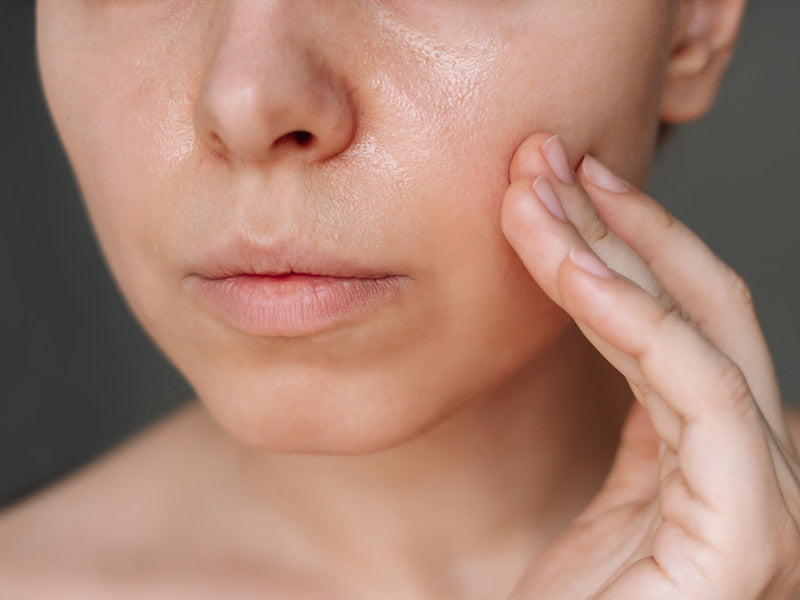
What Causes a Weakened Skin Barrier?
A weakened skin barrier often shows up as tightness, flaking, redness or stinging when you apply products you would normally tolerate well. Read our guide to the signs of a damaged skin barrier to check whether this might be behind your symptoms.
Several everyday habits and environmental factors can chip away at your barrier faster than it can repair itself:
- Over-exfoliation - using acids, scrubs or retinol more often than your skin can tolerate strips away the lipids that hold your barrier together.
- Harsh or foaming cleansers - sulphate-heavy formulas can strip natural oils along with dirt and makeup, leaving skin tight and reactive.
- Cold weather, wind and central heating - dry air pulls moisture out of skin faster than a compromised barrier can replace it.
- UV exposure - unprotected sun exposure breaks down the lipids and proteins that keep your barrier intact, which is why daily SPF is part of repair, not just prevention.
- Layering too many actives at once - combining retinol, exfoliating acids and vitamin C in a single routine can overwhelm even resilient skin.
- Pollution and stress - both are linked to increased sensitivity and slower barrier repair over time.
If you have recently introduced a new acid, retinol or exfoliating step and your skin has started to react, you may have gone too far too fast. Our guide on repairing over-exfoliated or retinol-damaged skin walks through how to dial things back and let your skin recover.
Building a Skin Barrier Repair Routine
Here is a simple routine to help repair and strengthen your skin barrier, and why each step matters:
- Cleanse gently - Reviving Cleansing Cream. A gentle, non-stripping cleanser removes impurities without disturbing the natural oils your barrier needs to stay intact.
- Repair & hydrate - Ceramides Face Cream. Formulated with Ceramide NP, Centella Asiatica and Kakadu Plum, this cream helps replenish lipids, reinforce the barrier and reduce moisture loss.
- Seal in moisture - Anti-Ageing Facial Oil. A few drops pressed over your moisturiser help slow water loss and leave skin feeling more comfortable and resilient.
- Protect - SPF 50 Face Sunscreen. UV exposure is one of the biggest daily stressors on the skin barrier, so daily SPF helps keep your repair work in place.
Most people notice their skin feeling calmer within a few days of simplifying their routine this way, but a significantly compromised barrier can take four to six weeks of consistent care to fully recover. During that time, it helps to pause strong actives like retinol and exfoliating acids rather than pushing through irritation. The most common mistake is reintroducing everything at once as soon as skin starts to feel better; instead, bring actives back one at a time, a week or two apart, so you can spot what your skin can and cannot tolerate yet.
A healthy barrier also affects how well your skin takes a tan: compromised, flaky skin grabs self-tan unevenly and fades in patches, while strengthened, hydrated skin gives a smoother, longer-lasting result. If you're prepping for a tan, our Self-Tan: The Complete Guide covers how to prep skin beforehand.
Still deciding between ingredients? Our guide to ceramides vs hyaluronic acid explains the difference between barrier repair and hydration, and our guide to choosing the right face cream can help you find the best formula for your skin type.
Shop Face Creams & Facial Oil →
Frequently Asked Questions
What is a skin barrier, and why does it matter?+
Your skin barrier is the outermost layer of skin, made up of skin cells held together by lipids like ceramides. It locks in moisture, keeps out irritants and pollutants, and plays a big part in how comfortable, hydrated and resilient your skin feels day to day.
How do I know if my skin barrier is damaged?+
Common signs include tightness, flaking, increased sensitivity, redness and stinging when you use products that did not use to bother you. If this sounds familiar, it is worth simplifying your routine and focusing on repair for a few weeks.
Can I still use retinol or vitamin C while repairing my barrier?+
It is worth easing off strong actives temporarily while your barrier heals, then reintroducing them gradually. Ceramides can be used alongside retinol and vitamin C to help offset dryness and support the barrier while you use them.
How long does it take to repair a damaged skin barrier?+
Many people notice improvements within a few days to a couple of weeks of gentle, consistent care, though a more significantly damaged barrier can take four to six weeks to fully recover.
Does a healthy skin barrier affect how well self-tan applies?+
Yes. A compromised barrier tends to be flaky and uneven, so self-tan grabs unevenly and fades in patches. A strengthened, well-hydrated barrier gives self-tan a smoother surface to work with and a longer-lasting, more even result. See our Self-Tan: The Complete Guide for how to prep skin beforehand.
What's the difference between skin barrier repair and skin longevity?+
They're closely related. Skin barrier repair is the mechanism, rebuilding the lipids and structure that keep moisture in and irritants out. Skin longevity is the broader outcome: skin that stays healthy, resilient and comfortable over time because the barrier is being looked after, rather than being pushed hard with aggressive actives.
Prefer not to keep reordering? Our organic skincare subscription delivers your favourite barrier-repair products automatically and saves you up to 15%.