
Skincare & self-tan
Redness & Rosacea: The Complete Guide
Published
The best skincare for redness and rosacea-prone skin is gentle, fragrance-free and avoids common triggers. If your skin flares up red, feels hot, or reacts to everyday things like weather, spicy food or stress, you may be dealing with rosacea or a general tendency towards redness. It's a long-term, chronic condition with no cure, but the right gentle routine can help calm flare-ups and keep skin more comfortable day to day. Here's what causes it and how to care for redness-prone skin.

What Causes Redness & Rosacea?
Rosacea is a long-term, chronic inflammatory skin condition that mainly affects the face, causing persistent redness, visible blood vessels, and sometimes small red bumps. The exact cause isn't fully understood, but it often runs in families and tends to be more noticeable on lighter skin. Our guide to what rosacea is and how to treat it covers the symptoms in more detail.
Flare-ups are usually triggered by everyday things, alcohol, spicy food, caffeine, sudden changes in temperature, sun exposure, and stress are some of the most common. Everyone's triggers are different, so keeping track of what sets your skin off is one of the most useful things you can do; see our tips for managing rosacea with gentle skincare for more.
Building a Routine for Redness-Prone Skin
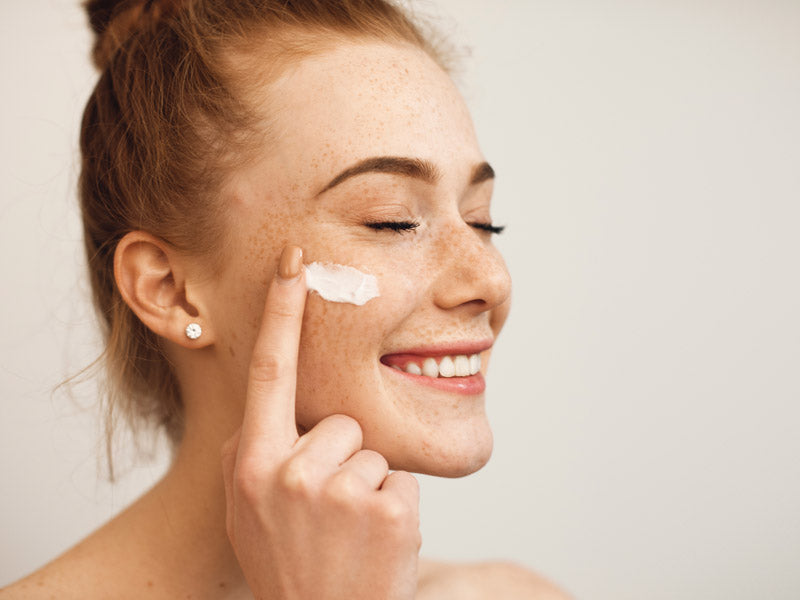
Redness-prone and rosacea skin responds best to a simple, fragrance-free routine that avoids anything harsh. Here's how to build one:
- Cleanse gently, morning and night - the Reviving Cleansing Cream removes impurities without stripping or irritating skin.
- Moisturise to calm and hydrate - the Radiance-Boosting Face Cream helps keep skin comfortable and less reactive.
- Protect every morning - sun exposure is a common trigger, so a broad-spectrum SPF 50 Face Sunscreen is essential.
- Soothe as needed - the Anti-Ageing Oil with Pink Microalgae can help calm visible redness when skin needs extra care.
For more on how our full range works together, see the best organic skincare routine for rosacea-prone skin.
A weakened skin barrier can make redness and reactivity worse, so it also helps to look after your barrier. Our Skin Barrier Repair: The Complete Guide covers the signs of a damaged barrier and a simple, gentle repair routine, and our sensitive skin guide is a good companion read.
Frequently Asked Questions
What causes rosacea?+
The exact cause of rosacea is not fully understood. It often runs in families and is more commonly seen on lighter skin. Flare-ups are thought to involve a mix of genetics, blood vessel sensitivity and inflammation, and everyday triggers can then set them off. If you think you may have rosacea, it's worth speaking to a GP or dermatologist.
Does caffeine trigger rosacea?+
Some people with rosacea find that coffee and other hot drinks bring on flushing, and it can be the heat of the drink as much as the caffeine. Triggers differ from person to person, so try keeping a simple diary of what you eat and drink alongside your flare-ups to see whether caffeine affects you.
What's the difference between rosacea and general redness?+
Rosacea is a diagnosed, chronic condition, while general redness or reactivity can be more temporary and triggered by things like weather, products or exercise. If your redness is persistent, worsening, or comes with visible bumps or blood vessels, it's worth speaking to a GP or dermatologist for a proper diagnosis.
What triggers rosacea flare-ups?+
Common triggers include alcohol, spicy food, caffeine, sun exposure, extreme temperatures, heat, exercise and stress. Triggers vary from person to person, so it's worth keeping track of what sets your own skin off.
Can I still exfoliate if I have rosacea?+
It's best to avoid harsh physical scrubs and strong acids, as these can trigger flare-ups. If you want to introduce a gentle exfoliant, always patch test first and stop straight away if you notice any irritation.
What ingredients should I avoid in skincare?+
Fragrance, alcohol-based toners and harsh actives are common irritants for rosacea-prone skin. See our guide to why fragrance-free skincare matters for sensitive skin for more on what to look out for.
Prefer not to keep reordering? Our organic skincare subscription delivers your favourite redness-calming products automatically and saves you up to 15%.
Want more skincare advice?
New to our emails? Please check your inbox and confirm your subscription. Once confirmed, you’ll receive a code for 15% off your first order. Already subscribed? We’ll simply update your interests. First-order offer for new email subscribers only. Terms apply. Read our Privacy Policy.

The people behind Lucy Bee
Skincare with a personal story
Lucy
Founder & CIBTAC beauty therapist
Lucy’s experience working in spas and salons shaped her interest in ingredients and the products we put onto our skin. Her own sensitive skin helped inspire the Lucy Bee skincare range, launched in 2020.
Our approach is to make caring for your skin feel straightforward, with thoughtful formulations and practical advice for everyday routines.
Read our family story