
Wellness
What Happens to Collagen as We Age
Published
Why Does Collagen Decline With Age?

Collagen is one of the body’s most important structural proteins, helping provide strength and support throughout the skin, joints, bones and connective tissues.
However, collagen production does not stay constant throughout life.
From our mid-20s onwards, natural collagen production gradually begins to decline, and this process continues as we age. Lifestyle and environmental factors may also contribute to collagen breakdown over time.
In this blog, we explore what happens to collagen as we age, how collagen changes may affect the body and why collagen has become increasingly popular within healthy ageing wellness routines.
What Is Collagen?
Collagen is the most abundant protein naturally found in the human body.
It acts as a structural component within:
- Skin
- Bones
- Tendons
- Ligaments
- Cartilage
- Blood vessels
- Connective tissues
Collagen helps provide structure, elasticity and support throughout these tissues.
The most common collagen types associated with skin and connective tissues are:
- Type I collagen - commonly found in skin, bones and tendons
- Type III collagen - commonly found alongside Type I within skin and connective tissues
Our collagen contains hydrolysed bovine collagen peptides, which are naturally rich in Type I and Type III collagen.
When Does Collagen Production Decline?

Natural collagen production gradually begins to decline from our mid-20s onwards.
Over time, the body produces less collagen and existing collagen fibres may become weaker or less organised.
This is a normal part of the ageing process.
Certain lifestyle and environmental factors may also contribute to collagen breakdown, including:
- UV exposure
- Smoking
- Stress
- Poor sleep
- Poor nutrition
- Menopause
- Environmental pollution
Because collagen is found throughout the body, declining collagen levels may affect multiple areas over time.
What Happens to Skin as Collagen Declines?
Collagen plays an important role in maintaining skin structure, firmness and elasticity.
As collagen production declines with age, visible skin changes may gradually become more noticeable.
These may include:
- Fine lines and wrinkles
- Reduced skin elasticity
- Drier-looking skin
- Changes in skin texture
- Thinner-looking skin
This is one reason collagen supplements are increasingly included within skincare and healthy ageing routines.
Collagen and Healthy Ageing

Collagen forms part of the body’s structural framework and is naturally associated with healthy connective tissues.
As collagen levels decline over time, many people choose to include collagen as part of their healthy ageing wellness routine.
Collagen is commonly associated with:
- Skin elasticity
- Skin hydration
- Connective tissue support
- Joint support
- Healthy ageing routines
Healthy ageing is influenced by many lifestyle factors, including nutrition, sleep, exercise and stress management.
How Can Ageing Affect Joints and Connective Tissues?
Collagen is a major component of cartilage, tendons and ligaments.
As collagen levels naturally decline over time, connective tissues may also change gradually with age.
Some people may notice changes associated with:
- Joint comfort
- Flexibility
- Mobility
- Recovery after exercise
This is one reason collagen is popular within active lifestyle and healthy ageing routines.
Why Does Menopause Affect Collagen?
Hormonal changes during menopause may contribute to accelerated collagen decline.
Oestrogen plays an important role in supporting collagen production within the skin and connective tissues.
As oestrogen levels decline during menopause, collagen loss may increase more rapidly.
This is one reason many people begin exploring collagen supplements during perimenopause and menopause.
For more on how skin, collagen and hormones change through perimenopause and menopause, see our Menopause & Hormonal Health: The Complete Guide.
What Are Collagen Peptides?

Collagen peptides, also known as hydrolysed collagen, are collagen proteins that have been broken down into smaller peptides through hydrolysis.
Hydrolysed collagen peptides are commonly used in:
- Collagen powders
- Smoothies
- Coffee
- Protein shakes
- Wellness drinks
Because collagen peptides dissolve easily and have a neutral flavour, they are convenient for everyday use.
Our collagen contains hydrolysed bovine collagen peptides designed for easy mixing and daily routines.
What Amino Acids Are Found in Collagen?
Collagen contains a unique amino acid profile naturally associated with connective tissue structure throughout the body.
Key amino acids found in collagen include:
- Glycine
- Proline
- Hydroxyproline
- Alanine
- Arginine
- Glutamic acid
These amino acids help form collagen’s structural framework.
How Can You Support Natural Collagen Production?
Several lifestyle factors may help support the body’s natural collagen production and healthy ageing, including:
- Eating enough protein
- Including vitamin C-rich foods
- Staying hydrated
- Prioritising sleep
- Managing stress
- Protecting skin from excessive UV exposure
- Avoiding smoking
Vitamin C is particularly important because it contributes to normal collagen formation within the body.
Why Consistency Matters
Many people choose to include collagen as part of their long-term wellness and healthy ageing routine.
Because collagen works gradually as part of the body’s natural structural processes, consistency is often an important part of incorporating collagen into everyday habits.
Why Choose Our Collagen?
Our collagen contains hydrolysed bovine collagen peptides, providing:
- Type I and Type III collagen
- A naturally rich amino acid profile
- Hydrolysed collagen peptides for easy mixing
- An unflavoured formula suitable for drinks and recipes
- Everyday support as part of a balanced lifestyle
Our collagen can easily be added to coffee, smoothies, yoghurt and protein shakes as part of your daily routine.
Collagen naturally declines as part of the ageing process, and this may affect skin, connective tissues and joints over time.
Lifestyle factors such as nutrition, sleep, stress and sun exposure may also influence collagen breakdown.
Because collagen plays such an important structural role throughout the body, many people choose to include collagen supplements as part of their healthy ageing and wellness routines.
Combined with a balanced lifestyle, hydrolysed collagen peptides can be a convenient addition to everyday habits.
Collagen supplements should not replace a varied, balanced diet and healthy lifestyle.
For the full picture on collagen, from what it is to how to build it into your daily routine, see our Collagen: The Complete Guide.
Subscribe and Save
Save 15% on every order and enjoy flexible deliveries tailored to you.
- Save 15% on every delivery
- Pause, skip or cancel at any time
- Choose a delivery schedule that works for you
- Never run out of your favourites
Frequently Asked Questions
At what age does collagen decline?
Natural collagen production gradually begins to decline from our mid-20s onwards.
Why does collagen decrease with age?
Collagen decline is a natural part of ageing and may also be influenced by lifestyle and environmental factors such as UV exposure, smoking and stress.
Can menopause affect collagen?
Yes, hormonal changes during menopause may contribute to accelerated collagen decline.
What are collagen peptides?
Collagen peptides are hydrolysed collagen proteins broken down into smaller peptides for easy mixing and everyday use.
Can collagen be added to coffee?
Yes, hydrolysed collagen peptides dissolve easily into coffee and other hot drinks.
Want to know more about collagen?
New to our emails? Please check your inbox and confirm your subscription. Once confirmed, you’ll receive a code for 15% off your first order. Already subscribed? We’ll simply update your interests. First-order offer for new email subscribers only. Terms apply. Read our Privacy Policy.
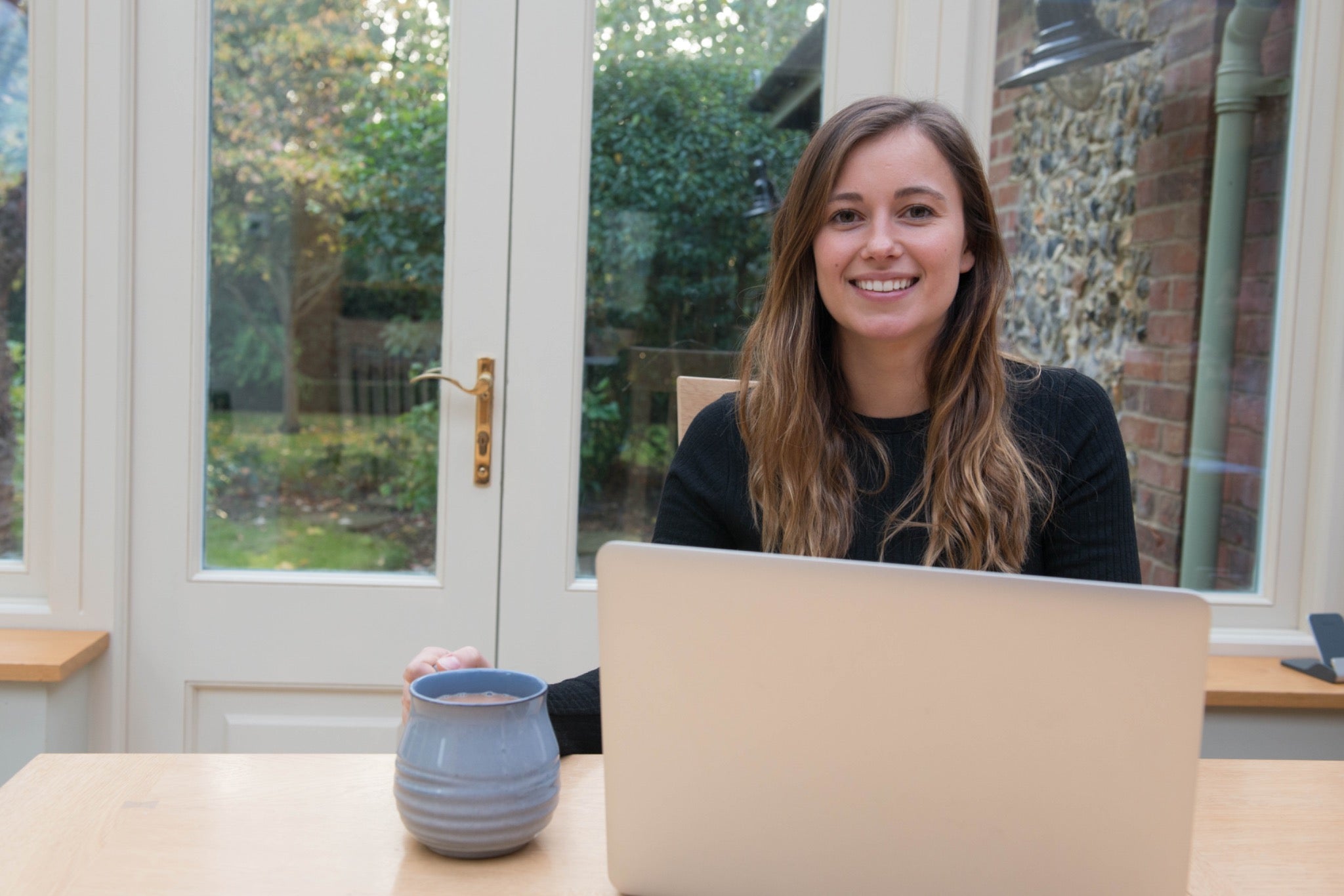
The people behind Lucy Bee
Meet Daisy, our in-house nutritionist
Daisy, MSc PGDip ANutr
Registered Associate Nutritionist
Daisy combines her academic background in nutrition and psychology with the practicalities of everyday life. The Lucy Bee wellness range has been developed with Daisy, bringing nutrition expertise to our family business.
Discover the thinking behind our wellness range and explore ways to build everyday routines around food, hydration and wellbeing.
Background and qualifications
Daisy holds a master’s degree in Public Health Nutrition and a postgraduate diploma in Eating Disorders and Clinical Nutrition, both accredited by the Association for Nutrition (AfN). She also holds a BSc in Psychology and Cognitive Neuroscience and has completed an AfN-accredited Diet Specialist Nutrition course.
These products are not intended to diagnose, treat, cure or prevent any disease. If you have a medical condition, or are pregnant or breastfeeding, we recommend consulting your healthcare professional before use.
