
Wellness
Is Soya Good for Me?
Published
Soya is frequently debated about whether it is good or bad for us, and its impact on health. Sources of soya include the following, which are all frequently part of a vegan diet:
- Tofu
- Miso
- Soybeans
- Edamame beans
- Soy milk alternatives
- Soya ‘meats’
- Tempeh

Vegan chocolate orange mousse, recipe here.
Soya is a plant source, complete protein, which means we get all the essential amino acids from it. 100g of tofu or edamame beans provides you with around 12g of protein!
Soya beans contain a compound called isoflavones (phytoestrogens), which have a similar structure to oestrogen, however they do not behave the same when consumed by our body. It has also been found that isoflavones may help with symptoms with menopause. Regularly eating soya foods will not increase your body’s oestrogen levels, nor does it reduce testosterone levels in men. It also has no impact on fertility. Soya products should be enjoyed as part of a healthy, balanced, varied diet and has some great nutritional benefits when included.

Miso aubergine, recipe here.
Click here for Part 1 or click here for Part 2 of the blog on plant-based diets.


Daisy, MSc PGDip ANutr, is a Registered Associate Nutritionist with a Master's Degree in Public Health Nutrition, and a Post Graduate Diploma in Eating Disorders and Clinical Nutrition, both of which are Association for Nutrition (AFN) accredited. She, also, has a BSc degree in Psychology and Cognitive Neuroscience; and has completed an AFN accredited Diet Specialist Nutrition course.
Daisy has worked for an NHS funded project, the Diabetes Prevention Programme; and shadowed a nutritionist in Harley Street.
About Lucy Bee Limited
Any information provided by us is not intended to diagnose, treat, cure or prevent disease. We always recommend referring your health queries to a qualified medical practitioner.
Lucy Bee is a lifestyle brand selling food, skincare and soap products all completely free from palm oil and with minimal use of plastic. Lucy Bee is concerned with Fair Trade, organic, ethical and sustainable living, recycling and empowering people to make informed choices and select quality, natural products for their food and their skin.
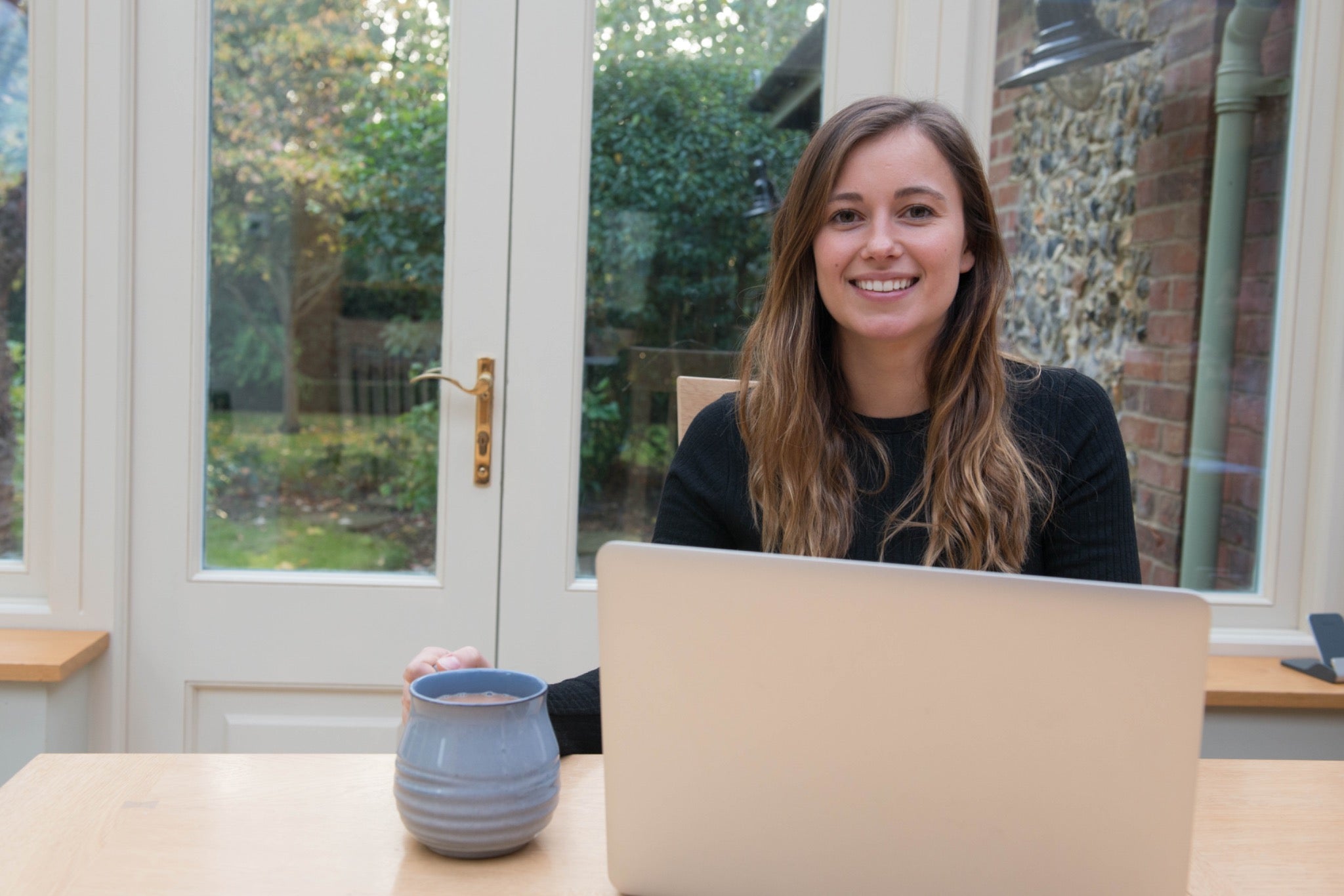
The people behind Lucy Bee
Meet Daisy, our in-house nutritionist
Daisy, MSc PGDip ANutr
Registered Associate Nutritionist
Daisy combines her academic background in nutrition and psychology with the practicalities of everyday life. The Lucy Bee wellness range has been developed with Daisy, bringing nutrition expertise to our family business.
Discover the thinking behind our wellness range and explore ways to build everyday routines around food, hydration and wellbeing.
Background and qualifications
Daisy holds a master’s degree in Public Health Nutrition and a postgraduate diploma in Eating Disorders and Clinical Nutrition, both accredited by the Association for Nutrition (AfN). She also holds a BSc in Psychology and Cognitive Neuroscience and has completed an AfN-accredited Diet Specialist Nutrition course.
These products are not intended to diagnose, treat, cure or prevent any disease. If you have a medical condition, or are pregnant or breastfeeding, we recommend consulting your healthcare professional before use.
Read our family story