
Wellness
The Importance of Water
Published
It’s important that we stay hydrated, especially when you consider that two thirds of our body is water. Water plays an essential role with functions including:
- Transporting nutrients to cells
- Maintaining cell function
- Removing waste
- Maintaining body temperature

Our body produces hormones to control when we urinate, as well as to signal thirst.
Our brain is 73% water, and if we don’t stay hydrated it can leave us feeling tired; give headaches; impact concentration; and feeling lightheaded. Staying hydrated also helps to prevent constipation; UTIs; and kidney stones. Hydration is also vital in helping maintain the functioning of our organs (including lungs, heart, kidneys and skin).
So How Much Water Should You Aim For?
It is guided that we drink 6-8 glasses a day (around 2L). Exercise and hot weather increase the amount of water that you need, as they both increase the amount of sweat that you produce and therefore loss of fluids. One way to check to see how hydrated you are is to check your urine, which should be a straw to a pale-yellow colour, and any darker than this indicates dehydration.
Your water intake doesn’t just come through drinking water alone. Food intake usually accounts for 20% of fluid intake, and you can also get fluids through coffee, tea, milk and fruit juices - although fruit juices should be limited to 150ml per day due to sugar content, and caffeine can have a diuretic effect (increases urination).

Tips for staying hydrated:
- Carry around a reusable water bottle and keep refilling it
- Add fruits and herbs to water to flavour it (cucumber, lemon, mint, ginger, orange, berries, apple, peach)
- Drink herbal teas
- If you forget to drink water, it's a good idea to keep a tab of how many glasses (bottles) you’ve had, and try and consciously drink some water when you may start to feel thirsty
- If it's warm, freeze fruits and then place them into your drink (like ice cubes), as they’ll keep your drink cold, but also add flavour!


Daisy, MSc PGDip ANutr, is a Registered Associate Nutritionist with a Master's Degree in Public Health Nutrition, and a Post Graduate Diploma in Eating Disorders and Clinical Nutrition, both of which are Association for Nutrition (AFN) accredited. She, also, has a BSc degree in Psychology and Cognitive Neuroscience; and has completed an AFN accredited Diet Specialist Nutrition course.
Daisy has worked for an NHS funded project, the Diabetes Prevention Programme; and shadowed a nutritionist in Harley Street.
About Lucy Bee Limited
Any information provided by us is not intended to diagnose, treat, cure or prevent disease. We always recommend referring your health queries to a qualified medical practitioner.
Lucy Bee is a lifestyle brand selling food, skincare and soap products all completely free from palm oil and with minimal use of plastic. Lucy Bee is concerned with Fair Trade, organic, ethical and sustainable living, recycling and empowering people to make informed choices and select quality, natural products for their food and their skin.
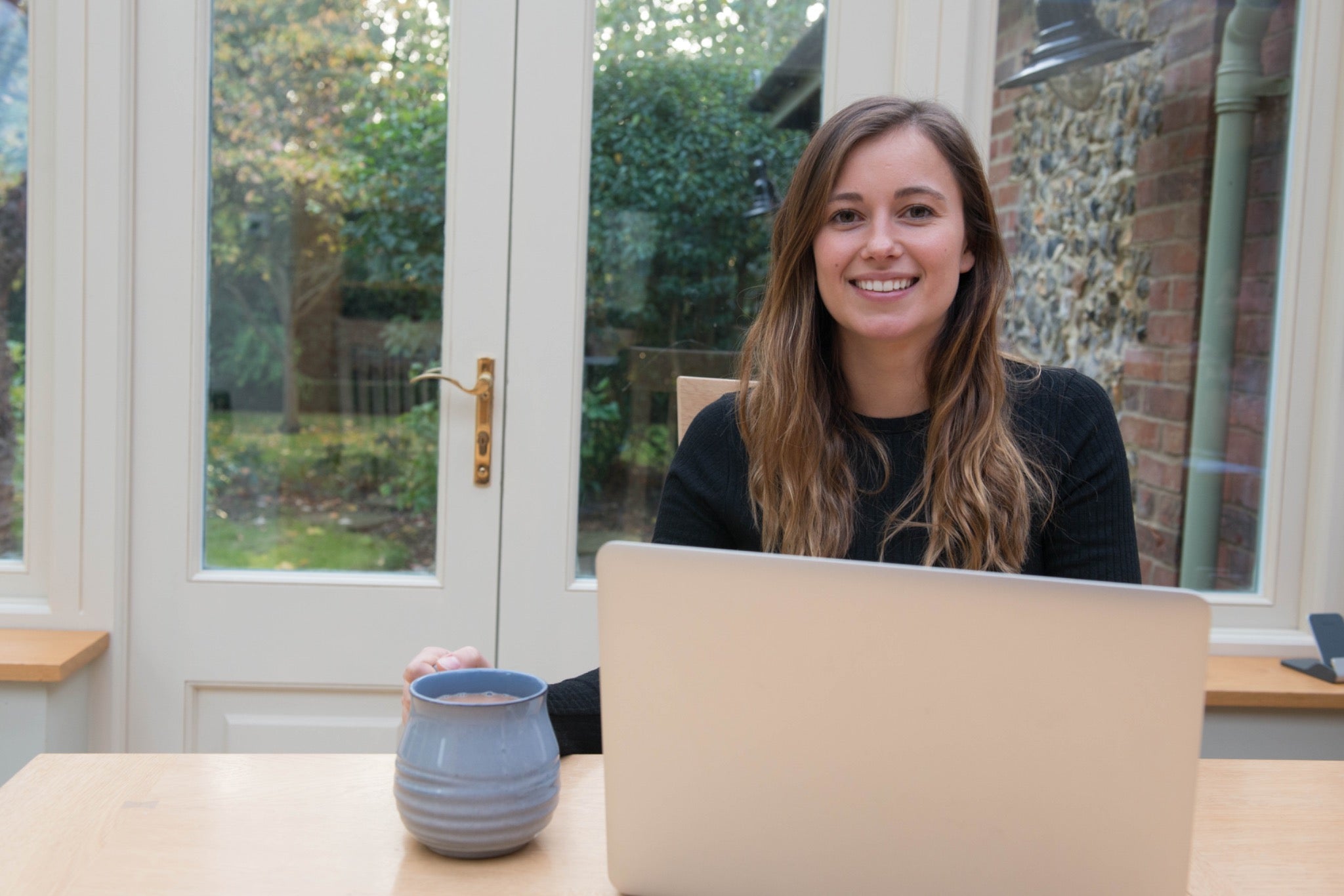
The people behind Lucy Bee
Meet Daisy, our in-house nutritionist
Daisy, MSc PGDip ANutr
Registered Associate Nutritionist
Daisy combines her academic background in nutrition and psychology with the practicalities of everyday life. The Lucy Bee wellness range has been developed with Daisy, bringing nutrition expertise to our family business.
Discover the thinking behind our wellness range and explore ways to build everyday routines around food, hydration and wellbeing.
Background and qualifications
Daisy holds a master’s degree in Public Health Nutrition and a postgraduate diploma in Eating Disorders and Clinical Nutrition, both accredited by the Association for Nutrition (AfN). She also holds a BSc in Psychology and Cognitive Neuroscience and has completed an AfN-accredited Diet Specialist Nutrition course.
These products are not intended to diagnose, treat, cure or prevent any disease. If you have a medical condition, or are pregnant or breastfeeding, we recommend consulting your healthcare professional before use.
Read our family story